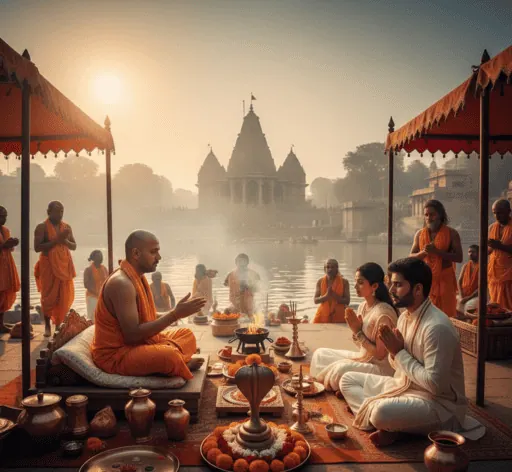
01Kaal Sarp Dosh Puja in Ujjain: Introduction
Kaal Sarp Dosh Puja in Ujjain is requested by devotees who feel repeated obstacles in life and want to perform a Vedic remedial puja with proper guidance. The ritual is traditionally connected with Rahu, Ketu, time, karma, and prayers for peace of mind. Before booking, the devotee should understand the puja purpose, confirm whether the dosh is present in the kundli, and review the complete vidhi with a qualified Pandit Ji.
02Why Ujjain?
Ujjain is one of India's oldest spiritual cities and is deeply associated with Lord Mahakal. Many devotees travel here for Kaal Sarp Dosh Puja because the city is known for Shiva worship, planetary remedies, and sacred teerth rituals. A good booking process should explain the temple location, reporting time, samagri, Pandit Ji availability, and total cost before the family travels.
03What Is Kaal Sarp Dosh?
In Vedic astrology, Kaal Sarp Dosh is discussed when all seven traditional planets are positioned between Rahu and Ketu in a birth chart. Rahu and Ketu are shadow points linked with karma, illusion, sudden changes, detachment, and past-life themes. Because charts can be interpreted differently by tradition, devotees should avoid assumptions and get the kundli checked by a knowledgeable jyotish expert before selecting the puja.
04Different Types of Kaal Sarp Dosh
Traditionally, twelve forms are discussed according to the placement of Rahu and Ketu in the horoscope: Anant, Kulik, Vasuki, Shankhpal, Padma, Mahapadma, Takshak, Karkotak, Shankhachood, Ghatak, Vishdhar, and Sheshnag. Each type is believed to affect a different area of life, so the exact ritual and sankalp should be selected only after proper chart review.
05How Do You Know If You Have Kaal Sarp Dosh?
People commonly ask about this puja when they experience repeated career delays, marriage or relationship obstacles, financial pressure, debt concerns, anxiety, low confidence, or disturbed sleep. These signs are not proof by themselves. They are only reasons to consult a qualified astrologer, discuss the chart calmly, and decide whether Kaal Sarp Dosh Puja is appropriate.
06Why Go to Ujjain for Kaal Sarp Dosh Puja?
Ujjain has a long connection with jyotish, sacred time, and Shiva worship. It is also counted among the Sapta Puri, the seven sacred cities in Hindu tradition. Because Kaal Sarp Dosh is connected with Rahu, Ketu, time, and karmic patterns, devotees often prefer performing the puja in Ujjain under experienced Vedic Pandit Ji guidance.
07The Mahakaleshwar Jyotirlinga
Mahakaleshwar Jyotirlinga is one of the twelve Jyotirlingas and is central to Ujjain's spiritual identity. Lord Mahakal is revered as the master of time and karma. For devotees, performing a remedial puja in Mahakal's city adds devotional meaning to the sankalp and helps the family approach the ritual with faith, discipline, and humility.
08The Shipra River's Role
The Shipra River is an important part of Ujjain's teerth tradition. Many devotees begin with a holy bath or symbolic purification before the main ritual. The purpose is to enter the puja with a clean mind, sincere sankalp, and readiness to let go of negativity. Exact river-related steps should be confirmed with the Pandit Ji and local conditions on the puja day.
09How the Kaal Sarp Dosh Puja Happens in Ujjain
The ritual is not treated as a casual visit. A Pandit Ji guides the devotee through a structured Vedic sequence, beginning with sankalp and moving through Ganesh Puja, Navagraha Puja, Rahu-Ketu mantra jaap, Naag-Naagin pratima puja, havan, and visarjan. The exact order, materials, and duration should be confirmed for the selected date and temple process.
10Step 1: Sankalp
The puja begins with sankalp. The devotee shares name, gotra, birth details, family details, and the purpose of the puja. This step connects the ritual intention with the individual and family for whom the prayers are being offered.
11Step 2: Ganesh Puja
Lord Ganesha is worshipped first so the ceremony can begin auspiciously. This step is performed for removal of obstacles, smooth completion of the puja, and a devotional start to the main Rahu-Ketu shanti process.
12Step 3: Navagraha Puja
The nine grahas are worshipped, with special attention given to Rahu and Ketu. This part of the vidhi is meant to seek harmony among planetary influences and prepare for the specific Kaal Sarp Dosh Nivaran mantras.
13Step 4: Rahu-Ketu Mantra Jaap
Rahu and Ketu mantras are chanted by the Pandit Ji according to the selected tradition. Devotees usually sit with focus and devotion while the jaap is performed for shanti, stability, and reduction of negative planetary influence.
14Step 5: Naag-Naagin Pratima Puja
Naag and Naagin pratima, often made of silver, copper, or another material specified by the Pandit Ji, are worshipped with flowers, mantra, and offerings. The step symbolizes respect, repentance, karmic prayer, and a request for relief from serpent-related dosh.
15Step 6: Havan
A sacred fire ritual is performed with mantra and offerings. Havan is traditionally considered a purifying act, and in this puja it supports the sankalp for inner cleansing, planetary shanti, and devotional surrender.
16Step 7: Naag Pratima Visarjan
The ritual concludes with visarjan of the naag pratima at a suitable holy place as guided by the Pandit Ji. This closing step represents release, completion, and the devotee's prayer to move forward with a lighter and more peaceful mind.
17Book Kaal Sarp Dosh Puja Online
To book Kaal Sarp Dosh Puja in Ujjain, submit your preferred date, devotee details, travel plan, language preference, and whether kundli review is needed. The team should confirm Pandit Ji availability, temple process, samagri, duration, exact quote, and booking terms before asking for payment.